How Does Pool Barrier Compliance Work in Victoria from Inspection to Certification?
Having a pool or spa is an ideal way to enjoy Victoria’s hot summers, but you have to be sure that your pool barrier meets all of Victoria’s safety standards. Pool barrier laws are made to reduce the risk of drowning incidents, particularly among children under five. If you own or plan to install a pool or spa, understanding pool barrier compliance in Victoria is essential.
This guide explains the regulations, inspection process, and steps to get your certificate of barrier compliance, with a focus on homeowners and property managers across Melbourne and regional Victoria.
Why Pool Barrier Compliance is Important
Unsupervised access to water is one of the leading causes of accidental drowning among young children in Australia. Victoria’s safety regulations exist to ensure barriers are effective and regularly maintained.
By complying with the pool safety compliance Victoria rules, you are not just following the law, you are protecting lives. Whether your pool is new or existing, meeting the standards is mandatory and actively enforced by local councils.
What Are The Key Pool Barrier Regulations in Victoria
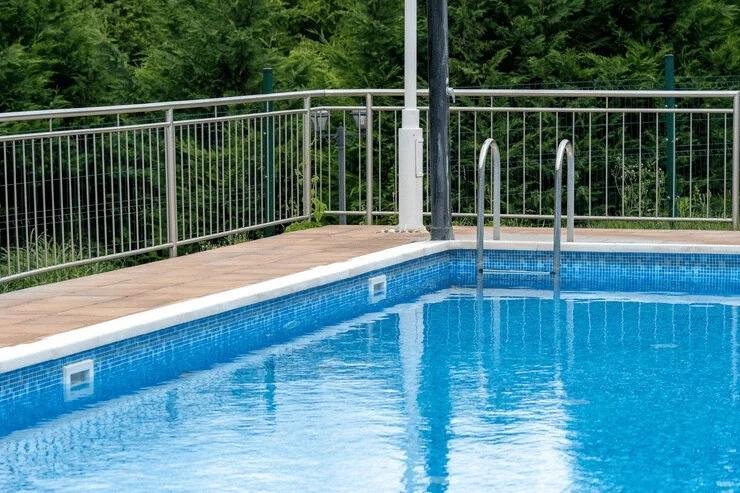
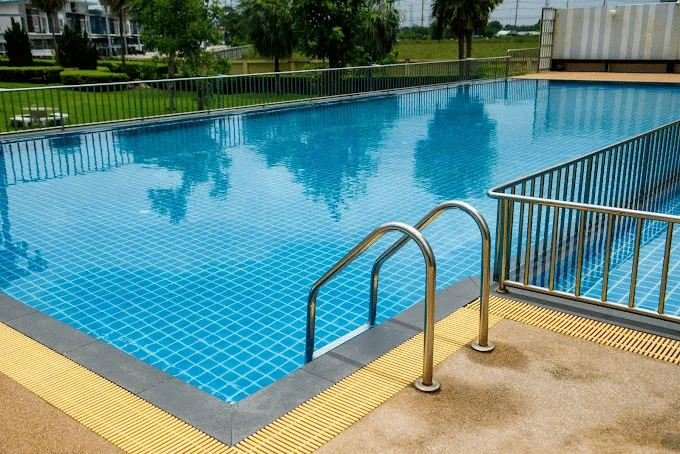
Understanding the pool barrier regulations is the first step toward compliance. These rules apply to permanent and relocatable pools and spas capable of holding 300mm or more of water.
Key regulations include:
- All pools and spas must have a compliant barrier.
- Barriers must restrict unsupervised access to the water area.
- Self-closing, self-latching gates are compulsory.
- Non-climbable zones must be maintained around the fence.
- Windows opening into the pool area must meet height and lock regulations.
- Barriers must remain functioning at all times, not only at inspection.
Standards vary based on when the pool or spa was constructed. Your inspector will check compliance against the relevant Australian Standard for your installation year.
Who Needs to Comply?
The rules apply to:
- In-ground pools
- Above-ground pools (including those with flexible walls that hold 300mm+ water)
- Indoor pools
- Spas and hot tubs
- Portable or relocatable pools that meet the 300mm depth rule
Small blow-up wading pools that cannot hold 300mm of water are generally exempt.
What Are The Pool Registration Requirements
In Victoria, pool owners must register their pool or spa with their local council. This is a legal requirement introduced to support safety inspections and ensure long-term compliance.
Registration involves:
- Submitting your pool/spa details to your council
- Paying the registration fee
- Receiving your designated barrier standard and compliance deadlines
Failure to register can result in fines.
What Is Involved In the Pool Inspection Process
Once registered, homeowners must arrange a pool inspection in Melbourne or their respective region through a registered building inspector.
During the inspection, the qualified professional checks:
- Barrier height and structure
- Gate operation (self-close and self-latch function)
- Fence condition: no damage, rust, or loose components
- Climbable objects near the barrier
- Window and door access restrictions
- Ground levels and garden features that may impact barrier height
- Gaps under or around fencing
Their aim is to ensure children cannot access the pool or spa area without supervision.
Getting a Certificate of Barrier Compliance
If your barrier meets all requirements, the inspector issues you a certificate of barrier compliance (Form 23). You then lodge it with your council within 30 days.
This certificate confirms your pool barrier meets safety standards and must be renewed every four years.
What if Your Barrier Is Not Compliant?
If issues are found:
- You will receive a report detailing required changes.
- You generally have up to 60 days to fix non-compliance items.
- A re-inspection will be scheduled.
- Failing to correct issues can result in council enforcement notices and fines.
What Are The Common Reasons Barriers Fail Inspections
Many pool owners assume their enclosure is compliant, only to find during inspection that it no longer meets current safety rules. Common failure reasons include:
- The gate is not self-closing or latching properly
- Gaps or openings greater than allowed
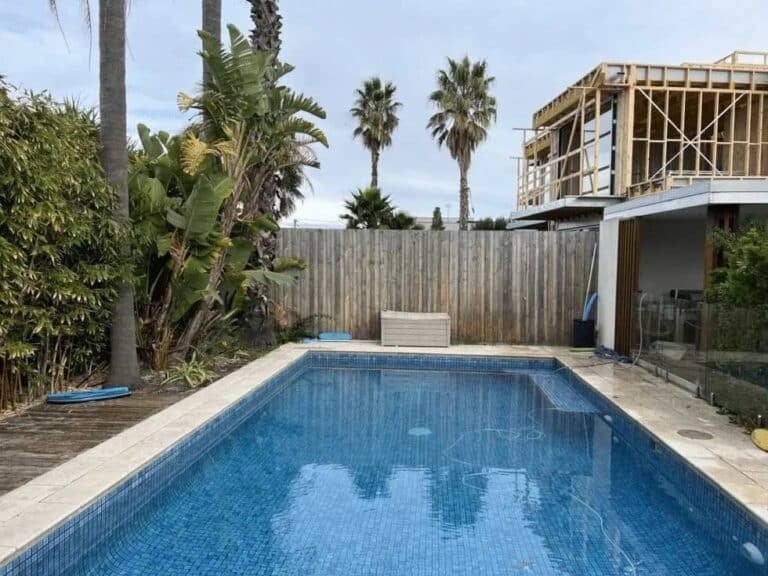
- Climbable objects near the barrier (furniture, BBQs, planter boxes, trees)
- Low fence height due to landscaping or decking changes
- Windows or doors providing direct access to the pool area
- Damaged or loose fence panels
Regular maintenance can help avoid these issues.
What Are The Tips for Maintaining a Compliant Barrier
- Test gate latching weekly.
- Keep furniture, pot plants, and BBQs away from the fence.
- Trim trees and shrubs near the barrier.
- Avoid stacking toys or equipment against the pool fence.
- Repair wear and tear promptly.
Taking a proactive approach makes your next inspection easier and helps ensure continuous safety.
How Does Using a Pool Inspector Improve Pool Barrier Compliance Outcomes in Victoria
To meet legal requirements, your inspection must be carried out by a registered pool inspector. When choosing a professional for your pool inspection in Melbourne, homeowners should look for:
- VBA (Victorian Building Authority) registration
- Experience with your pool type and installation era
- Transparent pricing
- Clear reporting and re-inspection support
Many inspectors offer pre-inspection advice, which can help streamline the process. If there are no issues or risks, contacting a pool inspector from Bayside Peninsula Pool Compliance can ensure that all standards are followed, criteria are met, and certification is obtained within a day.
What Are The Penalties for Non-Compliance
Local councils actively monitor compliance. Fines may apply for:
- Not registering your pool
- Failing to lodge certification by the deadline
- Not addressing identified safety risks
- Ignoring council notices
Compliance is not optional, but the process is straightforward if you follow the required steps.
The Bottom Line
Pool ownership comes with responsibility, and Victorian laws ensure that every pool owner prioritises safety. By following pool barrier compliance Victoria requirements, scheduling a pool inspection Melbourne, and obtaining your certificate of barrier compliance every four years, you can enjoy your pool without any worry.
These regulations not only protect your household but also strengthen community safety standards across the state.
For a safer pool environment and long-term, stay informed, maintain your barrier, and always keep compliance up to date.
Frequently Asked Questions (FAQs)
Pool barrier compliance refers to the adherence to safety regulations that ensure pools and spas are properly enclosed to prevent unsupervised access, particularly by children under five. It is crucial in Victoria to reduce drowning incidents and to ensure that barriers are effective and maintained, thereby protecting lives and adhering to the law.
All owners of in-ground pools, above-ground pools (including flexible wall pools that hold 300mm or more of water), indoor pools, spas, hot tubs, and portable or relocatable pools that meet the 300mm depth rule must comply with the regulations. Small blow-up wading pools that cannot hold 300mm of water are generally exempt.
After registering your pool or spa with the local council, you must arrange for a pool inspection through a registered building inspector. The inspector will assess the barrier height, gate operation, fence condition, climbable objects nearby, access restrictions, and gaps around the fencing to ensure children cannot access the pool area unsupervised.
If your pool barrier meets all safety requirements during the inspection, the inspector will issue a certificate of barrier compliance (Form 23). You must then lodge this certificate with your local council within 30 days. The certificate confirms compliance with safety standards and must be renewed every four years.